
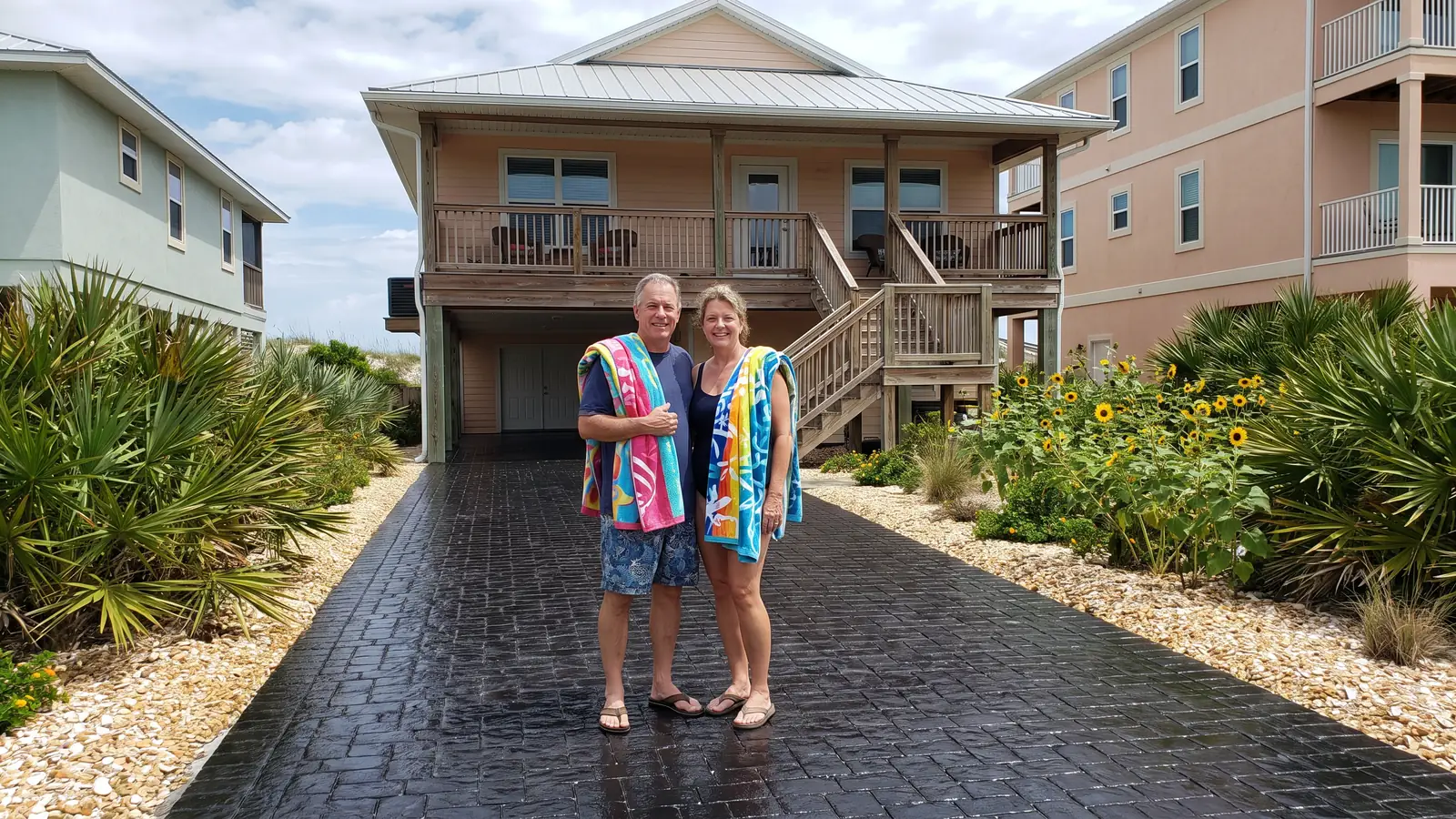
Paver sealing for San Jose homes
Paver Sealing in San Jose, FL
Old oaks keep San Jose pavers damp; call (904) 719-7441 for a free sealing estimate.
- Brings out deeper paver color
- Fresh joint sand helps lock pavers in place
- Gives weeds less room to grow
- Makes the surface easier to keep clean
- Free estimate, no obligation
Request a Free Estimate
Free, no obligation.
Fast, careful paver sealing in San Jose
Paver sealing in San Jose comes with a free estimate from a local contractor, and a reply arrives within 1 business day, usually much sooner. To start, send the short estimate form. The work covers driveways, courtyards, walkways and pool decks.
Think of the front walk under a big oak: dark with algae, joints opened up, a stain where the acorns fell last fall. A good wash, new joint sand and a coat of sealer return it to one clean tone that suits the house. To talk it through first, call (904) 719-7441.
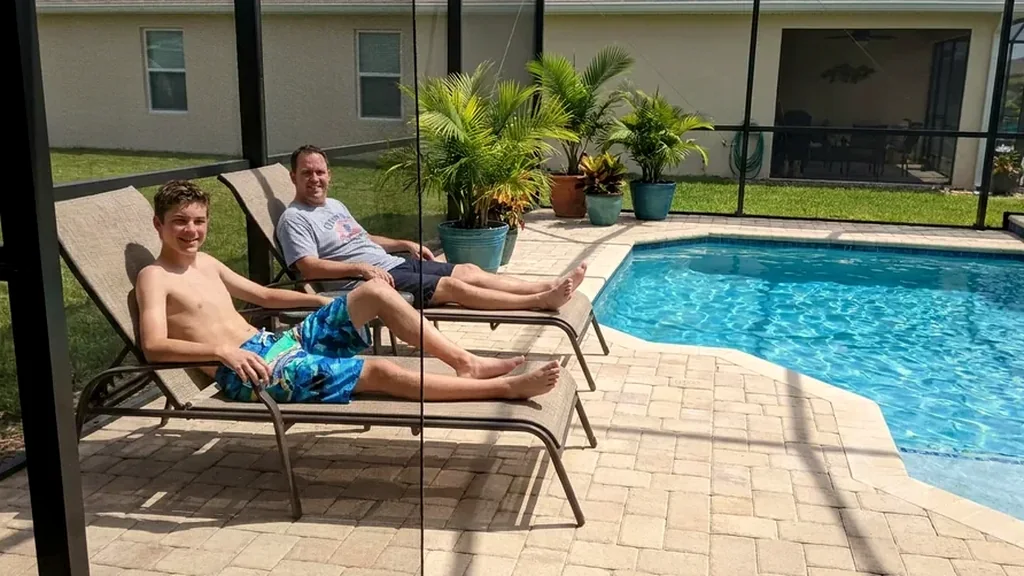
Why hire a local paver sealing contractor in San Jose?
San Jose homeowners tend to call a local paver contractor because shade, river weather and historic rules all change how a job should go. To hear how that applies on your street, call (904) 719-7441. Courtyards, walks and drives can all go on one quote.
A free look first
A local contractor walks your lot, checks the pavers and gives you a price. You hear the figure first and decide afterward.
A range to check bids
Around Northeast Florida the going range is $1.75 to $3.25 per square foot to clean, re-sand and seal. Compare any San Jose bid to it. Stripping a failed coat pushes a bid higher.
A finish that fits the house
Matte keeps the natural color. A wet look deepens it but shows tire wear sooner on a drive. Near a pool, matte is usually the grippier choice.
Rules respected
If a gate, an HOA or a historic review applies to your property, say so up front and the plan can account for it.
Get Your Free Estimate in San Jose
Tell us about your pavers in San Jose.
Free, no obligation
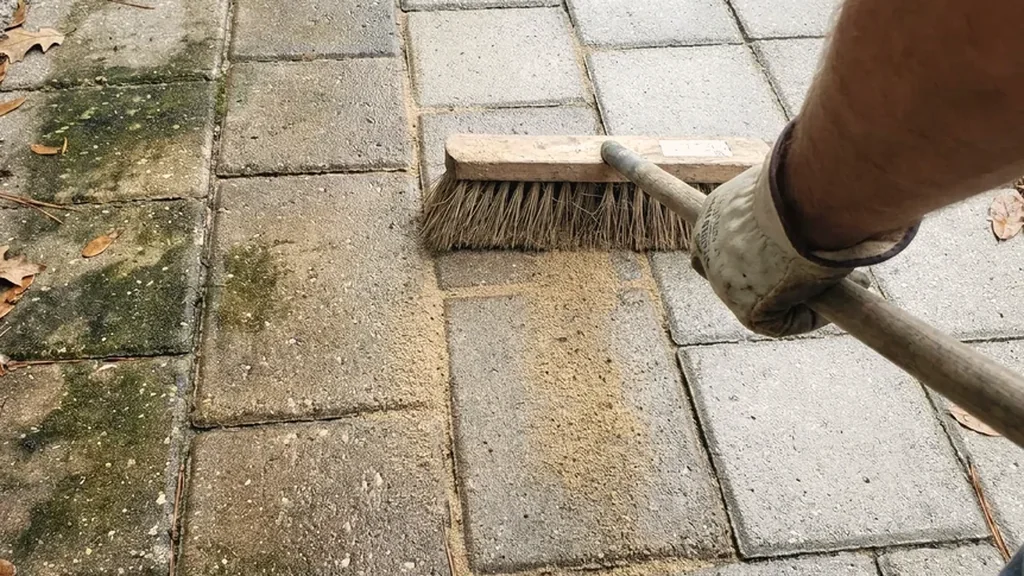
What paver problems show up most in San Jose?
Shade, Spanish moss and green film
Wikipedia describes most San Jose lawns as shaded by large oaks with draping moss. Algae grows where shade and moisture meet, such as under trees, and Florida humidity brings it back. A landscape trade article says moss and algae should not grow on pavers unless the area is heavily shaded. Where the canopy is thick, the green returns, which means the wash matters as much as the coat. A live oak can spread 60 to 120 feet, so one tree can shade a whole front yard. Pavers there can stay damp for long stretches.
Acorns, leaf tannins and black mildew
Per UF/IFAS, acorns from water oaks leave stains on concrete where they land. A Jacksonville paver company says tannin stains can soak in permanently over unsealed years and that shaded, sprinkler-hit pavers grow black mildew fast. Sealed pavers let more of it rinse away. A stain that is already set must be treated first, or the coat will lock it in. Fresh acorns and leaves left on the surface speed the staining, so a quick sweep between visits helps. Sealing does not remove stains that are already set.
River tides and storm water
The water management district says the St. Johns at Jacksonville is an estuary, with tides and ocean storms that matter. A nor'easter can raise the river several feet. In 2017 Irma came behind one, and water entered neighborhoods. Lots near the river or Goodbys Creek can end up with silt on the pavers and sand washed from the joints. Ask the contractor to look over the low edge of the drive and the spots nearest the water. Those are the places silt gathers and sand goes missing.
Sandy ground that stays wet after storms
The USDA's Ortega soil series, typed in Duval County, is moderately well drained sand, with a water table that can rise within 48 inches of the surface for a day or up to ten after heavy rain. Sealteam Jax says sinking and washouts are the main reason pavers fail. Low corners show it first. They are reset before any coat goes on. Joints that wash out unevenly make the surface rock under foot. Refilling them before the coat goes on keeps the sealer from cracking over gaps.
An old coat nobody remembers
San Jose has homes from every decade since the 1920s, so a past owner may have sealed the pavers more than once. Oil-based coats must be stripped first, which one company says is 10 to 20 percent of its projects. White, hazy or flaking sealer also has to come off. The contractor works out what is there before choosing the new product. A small test corner can show how the surface takes new sealer. Keep any old receipts or product names, which can speed that decision up.
Can pavers be sealed in gated San Jose communities and historic blocks?
Yes, though the rules differ by street. Epping Forest is a gated riverfront community of about 90 homes and 80 condominiums on a 58-acre estate. A paver page for the Southside warns that a guard gate can cap the hours and vehicles a contractor may bring. Mention any gate when you send the short estimate form.
Houses on Via de la Reina were listed on the National Register of Historic Places in 1985, as part of the San Jose Estates district. The city requires a Certificate of Appropriateness for exterior work, including driveways, in local historic districts and on local landmarks. A National Register listing and local status are not the same, so check your address on the Land Development Map. Call (904) 719-7441 if you are unsure what applies.
Away from the historic core, lots get smaller and styles shift from Spanish Revival bungalows to midcentury ranches. State law limits an HOA to reviewing changes its own declaration or guidelines cover. A natural-look sealer is less likely to raise questions than a high-gloss one. Once you have read your rules, send the short estimate form and say what applies.
What does paver sealing cost in San Jose?
A quick test for any bid is whether it lands inside $1.75 to $3.25 per square foot, the range companies commonly publish for cleaning, sanding and sealing. In San Jose, heavy algae, set-in tannin stains and a failed old coat push a job toward the top. A compact courtyard can price higher per square foot, since setup takes the same time. To price your own pavers, send the short estimate form.
Access can move the price as well. A courtyard with a narrow gate, or a lot behind a guard gate, takes longer to work. Prep runs long on shaded lots, about two to three hours for each hour of sealing per one company. Call (904) 719-7441 and the contractor will say which of these fits your property.
| Paved area | Typical example | Clean, sand and seal |
|---|---|---|
| 300 sq ft | Small patio or walkway | $525 to $975 |
| 600 sq ft | Two car driveway | $1,050 to $1,950 |
| 1,000 sq ft | Large driveway or pool deck | $1,750 to $3,250 |
| 1,500 sq ft | Driveway plus pool deck | $2,625 to $4,875 |
Math based on the $1.75 to $3.25 per square foot that Northeast Florida paver companies published as of November 2026. Your contractor sets the actual price after seeing the surface. Repairs, leveling and stripping failed sealer are usually extra.
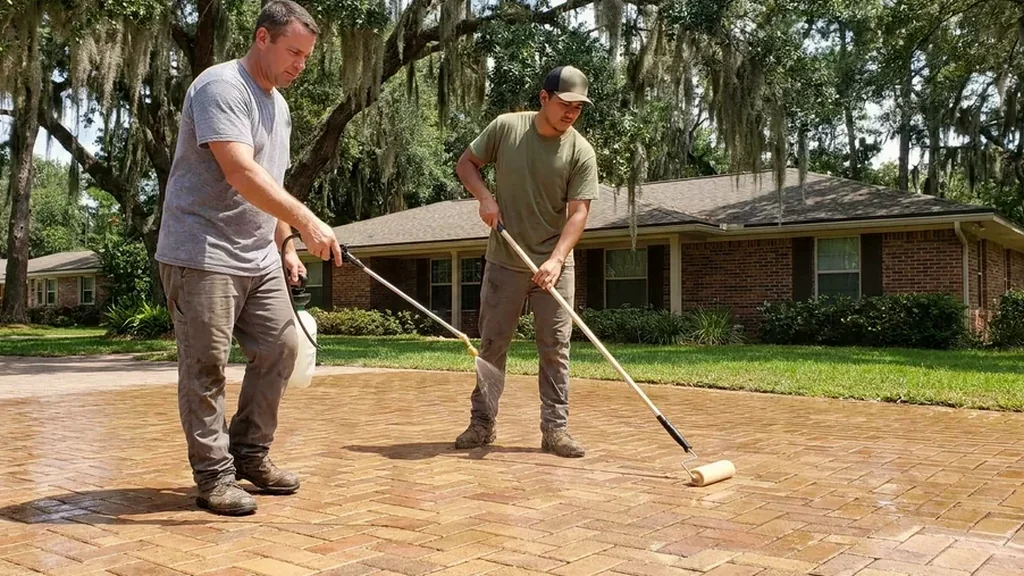
How does a paver sealing job work in San Jose?
Walk the lot and check what rules apply
The contractor looks at shade, drainage and the surface, then asks about gates, an HOA or a historic review. Dips and lifted edges are reset before sealing, because the coat preserves whatever lies beneath. A prior sealer is identified first, since water-based product cannot go over solvent-based. On older homes, rinse water is kept off masonry and plants. Before you agree, the contractor describes exactly what the job will cover.
Clean off the algae, acorns and tannins
Washing removes green film and mildew from the shaded sections. Acorn and tannin stains are pre-treated. A thick canopy may call for a second wash pass. Cleaner and rinse water are aimed away from beds, lawns and the river side of the lot. Plants near the walls are covered or wetted down, and rinse water is kept off older masonry.
Refill the joints with fresh sand
The wash takes joint sand with it, so new sand is spread before any coat. Joints are packed full and the surface is swept. Sandy ground with a rising water table is why this step matters here. Full joints hold the pavers together and slow weeds. Joint sand can be matched to the paver color if the contractor offers options, so ask.
Let the shaded spots dry out
Sealer needs a dry surface, and shaded San Jose lots can stay damp long after a sunny one has dried. A wet look can turn cloudy if applied over damp pavers. The contractor may test a corner and wait a day. That is cheaper than redoing the job. Sprinkler timers are switched off until the coat cures, since early wetting can mark a fresh coat.
Seal it and stay off
The finish you chose is sprayed on and then back-rolled into the joints. Plan on 2 to 4 hours before anyone walks on it and 24 before a car does, per Sealteam Jax. Gate lists and visitor passes help if the contractor needs to return. Plan for cars to wait on the street or in the garage overnight. Keep pets, bikes and bins off for that time, since fresh sealer scuffs easily.
Complete paver services in San Jose
A San Jose job moves in four stages: wash, refill, dry and seal. The wash takes the most time on shaded lots. Fresh joint sand follows, and sealer goes down last. Call (904) 719-7441 for a time estimate on each stage at your address.
Driveways pick up tires and acorns. Front walks beneath the oaks turn green first. Courtyards beside older homes need gentle rinsing, and pool decks need a grippy finish. As you send the short estimate form, name every surface you want done so none is missed.
Finish choice comes down to matte or wet look, and to a film-forming or penetrating sealer. A wet look deepens color, though drive lanes will show wear earlier. Matte keeps the pavers close to their natural tone, which can suit a Spanish Revival front. Call (904) 719-7441 to talk through the choice for your house.
Timing depends on the weather and the river. Summer storms are common, and a nor'easter can push the water up. A dry run of a few days gives a good window. To find a day that works on your block, send the short estimate form.
Questions to ask before you hire
- How many dry days do you need before and after the sealer goes on?
- Can you work around my pool, screen enclosure and landscaping without damage?
- Will the sealer you suggest hold up to salt spray and strong sun near the water?
- Will you test the sealer on a hidden spot and show me the result?
- How long before I can walk, drive and set furniture on the finished surface?
- Can you get rust stains from sprinkler water off my pavers before sealing?
- Will my HOA need the product details or a color sample from you?
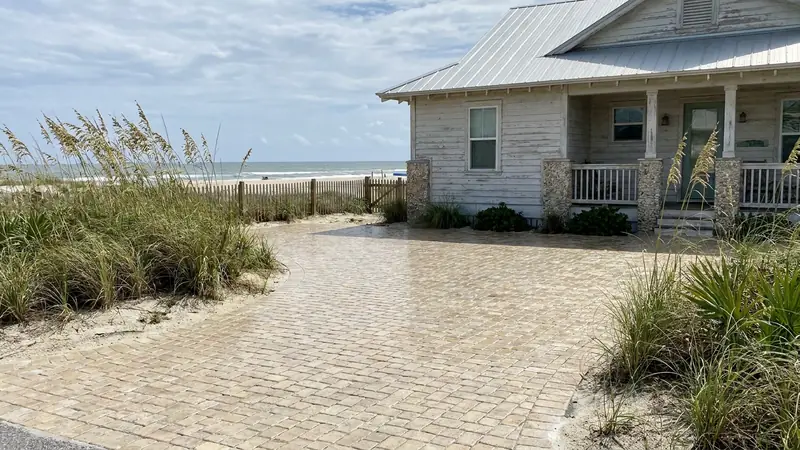
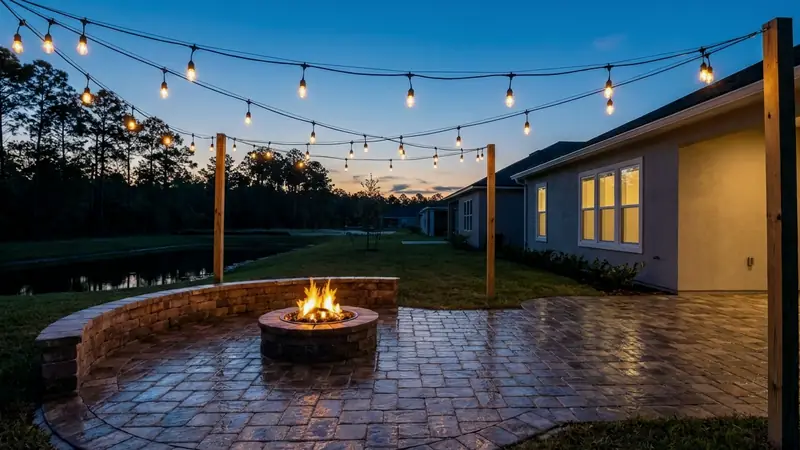
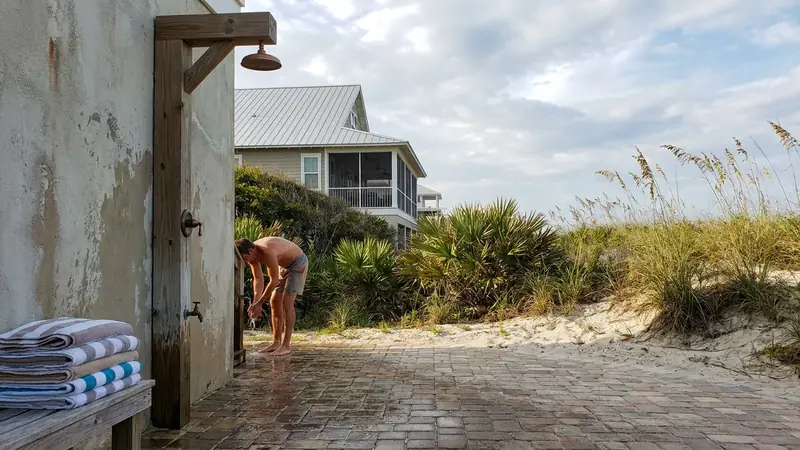
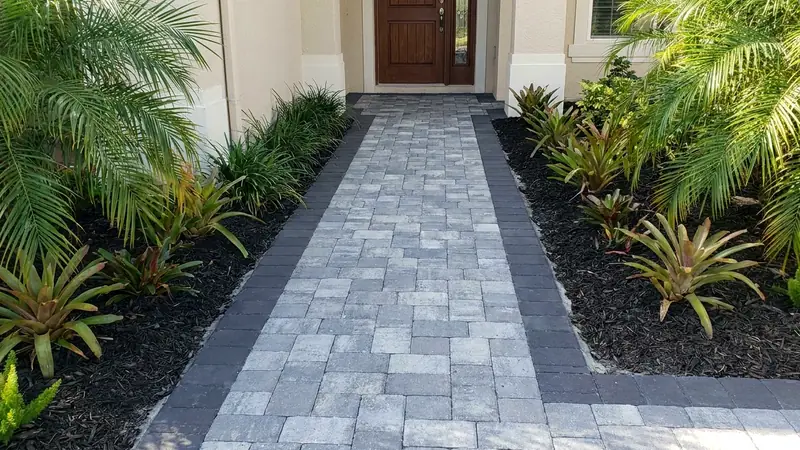
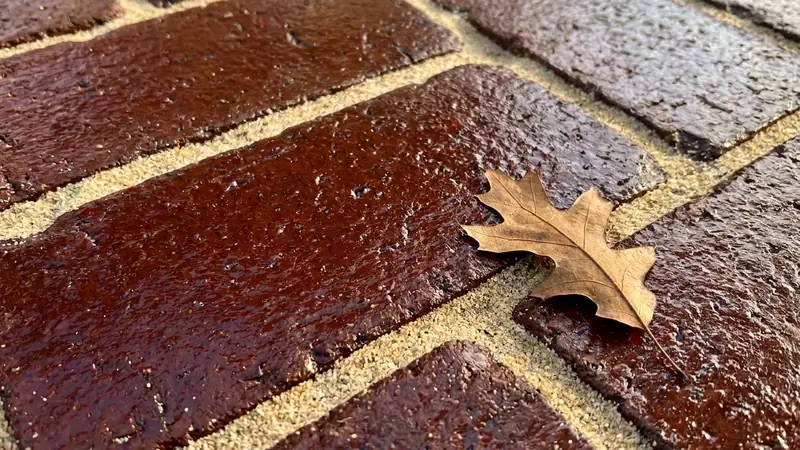
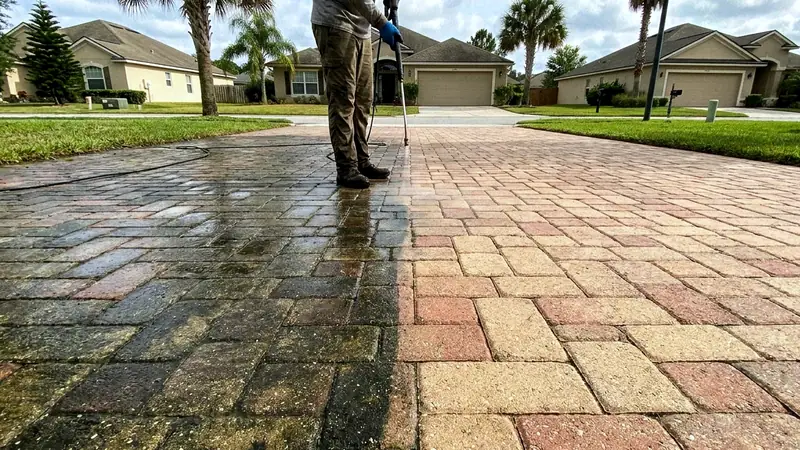
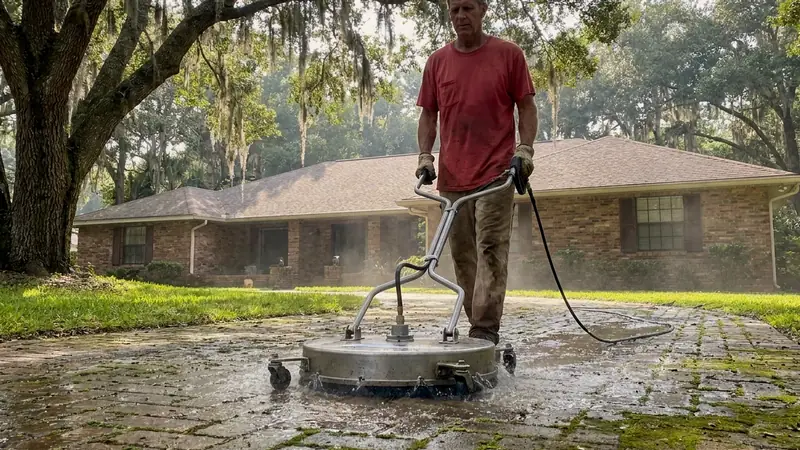
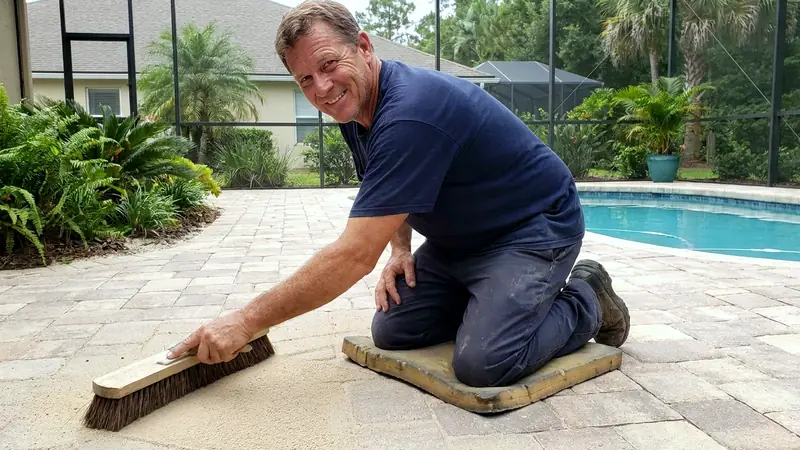
What do sealed pavers look like around San Jose?
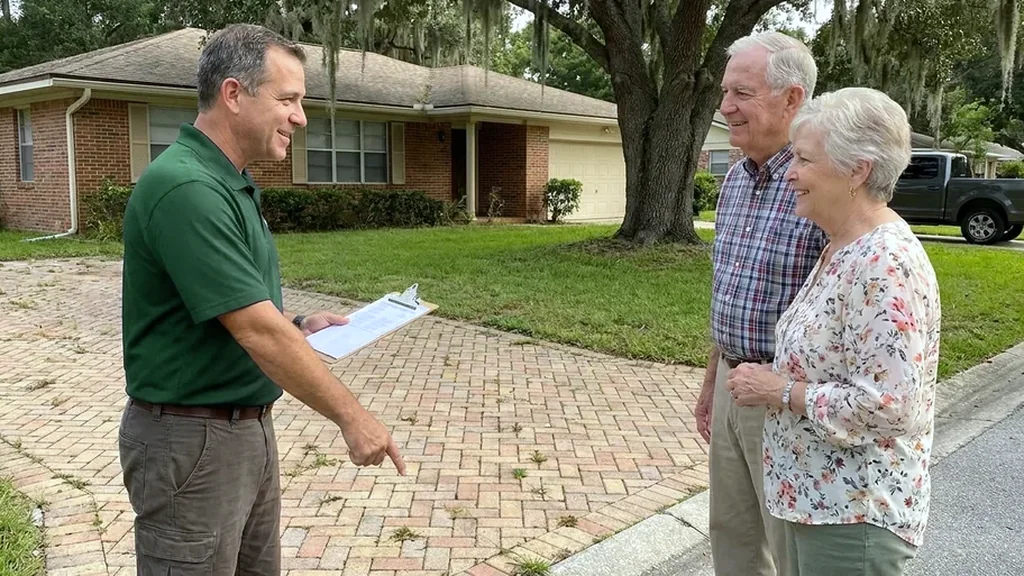
Why local matters in San Jose
A contractor who works near the river knows how tides and storms affect lots like yours. After a nor'easter or a hurricane, pavers can hold silt and lose sand, and that changes the cleaning plan. Someone from another county may not ask. Call (904) 719-7441 to reach a contractor who works this part of Jacksonville.
San Jose is a planned community from 1925, so its older blocks carry rules and layouts that newer suburbs lack. A local contractor will ask about a Certificate of Appropriateness, an HOA or a guard gate before quoting. That saves you a surprise later. You can send the short estimate form and note which of these apply.
Lot sizes vary too, from large riverfront parcels to smaller ones inland. Big canopies over the older lots shade pavers for most of the day. A contractor who knows the area expects it. Mention your tree cover when you call (904) 719-7441.
What is the story behind San Jose's tree-lined streets?
San Jose Estates was chartered on January 25, 1925, and planner John Nolen laid out 1,911 lots on a radial plan, with streets named for Spanish cities and paved sidewalks on every street. The first phase sold out by August 10, 1925. By 1928 only 31 homes stood, since the land boom had ended. If your home sits on one of those early streets, send the short estimate form.
Donald Ross designed the golf course that became the San Jose Country Club. The Bolles School opened in 1933 in the former San Jose Hotel, and Epping Forest's 1927 mansion still stands on the river. Goodbys Creek Preserve and Camp Tomahawk Park hold the area's wooded creek land. Close to any of these places, call (904) 719-7441 and tell them your street.
Frequently Asked Questions
Does sealing pavers pay off in San Jose?
Yes, especially under heavy oak shade. Sealing keeps oil, grease and dirt on top where they wash off more easily, and it holds joint sand through summer rain. It should follow a deep wash and fresh sand, not cover dirt. At the free estimate you will learn whether a refresh will do or a full restoration is due.
How much does sealing pavers usually cost in San Jose?
Published prices run $1.75 to $3.25 per square foot to clean, re-sand and seal across Northeast Florida. Removing a failed coat first costs extra. Ask that the quote state the total area. Courtyards and walks are added to the driveway when the area is measured.
Is it better to spray or roll paver sealer in San Jose?
Local companies say pros do both. Coverage comes even from spraying, and a back-roll presses sealer into the joints and stops puddling. Lap marks are the risk with rolling alone, and over-application is the risk with spraying alone. A test corner shows how the finish will look before the whole surface is done.
Why is paver sealing so expensive in San Jose?
Prep, not product, makes up most of the cost here. Shaded lots with algae and stains take longer than a clean drive. Shaded lots with algae, stains and old sealer take longer, and smaller jobs cost more per square foot. A smaller job does not cost less per square foot, which is why a full list of surfaces helps.
Do I need city approval to seal pavers in a San Jose historic district?
It depends on your address. Jacksonville requires a Certificate of Appropriateness for exterior work in local historic districts and on landmarks, and driveways are named as an example. The page does not mention sealing, so check the Land Development Map and ask city staff. The Land Development Map is the quickest way to see if your address carries local status.
Why do my San Jose pavers turn green under the oaks?
Algae grows where shade and moisture meet. A landscape trade article says moss and algae should not grow on pavers unless the area is heavily shaded. A deep wash removes it, and a coat makes the next cleaning easier. Treat the wash as the real fix, and the coat as the way to keep the fix in place.
How often should shaded pavers in San Jose be resealed?
PaverGuard puts shaded walkways with light foot traffic at about 24 to 36 months, and full-sun driveways at about 18 to 24 months. Water soaking in is the sign that the coat is spent. Check the wear signs after each big storm season, and do not wait for the date alone.
Can sealing be done in a gated San Jose community?
Yes, with planning. One paver page warns that a guard gate can cap the hours and vehicles a contractor may bring. Mention the gate and any visitor list when you ask for an estimate. A call to your HOA manager ahead of time can save a rescheduled visit.
Will sealing stop acorn stains on San Jose pavers?
It helps but does not make them disappear. Sealer keeps stains from soaking in as deeply. Stains already in the surface are treated before the coat goes on, since sealing would lock them in. Ask the contractor to point out set stains at the walk-through, so you know what to expect.
Why do San Jose pavers need a dry stretch after a nor'easter?
The St. Johns River at Jacksonville is an estuary, and the water district says a nor'easter can raise the water several feet. The USDA says the Ortega sand soil mapped in Duval County can see its water table rise within 48 inches of the surface for about 1 to 10 days after heavy rain. Sealer goes on dry pavers, so a contractor may wait out a wet week. Ask how the schedule will flex with the forecast.
Is sealing worth it if I already pressure wash my San Jose pavers?
Washing alone helps for a short time. Glow Guys, a Florida washing company, says a wash fixes the surface for a few months, while UV fades color over a few seasons. It adds that sealing cuts back weed and ant intrusion and makes the next cleaning easier. To see what that would mean for your drive, ask a contractor at the estimate.
Does a small San Jose driveway cost more per square foot to seal?
It often does. A Jacksonville cost guide says smaller projects cost more per square foot because prep time does not shrink with the size of the job. The same guide says a driveway, walkway, pool deck and patio done together get better per-square-foot pricing. Mention every paved area when you ask for the estimate.
Ready for a Free Estimate in San Jose?
Call (904) 719-7441 and tell us about your pavers.
Free, no obligation